
Deep beneath the ocean’s surface, where the underwater world captivates divers with its beauty and mystery, a hidden danger lurks that has claimed too many lives. Carbon monoxide (CO) poisoning represents one of the most insidious threats in recreational and technical diving—a colorless, odorless gas that can turn a routine dive into a fatal encounter.

The Invisible Threat
Carbon monoxide is particularly dangerous because it binds to hemoglobin in your blood approximately 200 times more readily than oxygen. Once CO enters your system, it essentially hijacks your blood’s ability to carry oxygen to vital organs, including your brain and heart. What makes this especially treacherous underwater is that the elevated partial pressure of gases at depth can accelerate CO absorption, while the diving environment masks many of the warning signs.
How CO Enters Your Tank
The most common source of carbon monoxide in scuba tanks comes from contaminated air during the filling process. Faulty compressors, poor maintenance, or inadequate filtration systems can introduce exhaust fumes into the air supply. Even a small amount of CO that might be barely noticeable at the surface becomes deadly when concentrated and breathed under pressure.
Dive shops operating compressors near vehicle exhaust, generators, or other combustion sources create additional risk.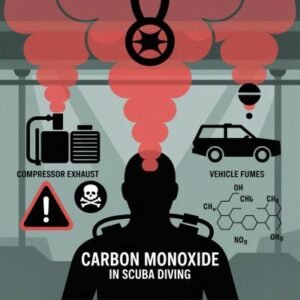
A compressor intake positioned too close to these sources can draw in contaminated air, filling tanks with what appears to be clean air but contains lethal concent
rations of carbon monoxide.
Silent Symptoms
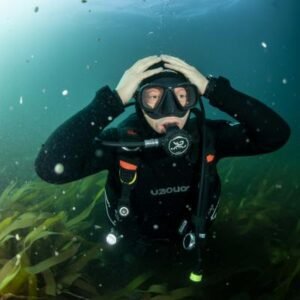
The symptoms of CO poisoning can be subtle and easily mistaken for other diving-related issues. Early signs include headache, dizziness, nausea, and fatigue—symptoms that many divers might attribute to nitrogen narcosis, seasickness, or simple exertion. As poisoning progresses, confusion, impaired judgment, and loss of consciousness can occur.
The danger is compounded by the fact that CO poisoning impairs your ability to recognize the problem. The gas literally robs your brain of oxygen, making it difficult to think clearly and make life-saving decisions. By the time severe symptoms appear, it may be too late to surface safely.
Prevention and Protection
Preventing CO poisoning requires vigilance both from divers and dive operators. Always fill your tanks at reputable dive shops that follow proper maintenance protocols and have their compressors regularly serviced. Look for facilities that conduct regular air quality testing and can provide certification of their air purity.
For serious divers, investing in a personal CO detector for testing tank air is a wise precaution. These devices can detect even trace amounts of carbon monoxide before you enter the water. Some dive computers now include CO detection capabilities as well.
Recognition and Response
If you suspect CO poisoning in yourself or a dive buddy, immediate action is crucial. Surface as safely as possible while following proper ascent procedures if conditions allow. Remove yourself from the contaminated air source and breathe fresh air or oxygen if available. Seek immediate medical attention, as CO poisoning can have delayed effects and may require hyperbaric oxygen treatment.
Carbon monoxide poisoning is entirely preventable with proper awareness and precautions. By understanding the risks, choosing reputable air sources, and remaining vigilant for symptoms, divers can continue to explore the underwater world safely. Remember, in the realm of diving safety, what you can’t see, smell, or taste can indeed kill you—making knowledge and preparation your most important pieces of equipment.