

ABOUT US & 'Go-NOGo'
Go-NOGo is the pre-dive gas quality analyser that detects carbon monoxide contamination in compressed breathing gas before you enter the water. At Go-NOGo, we believe every diver deserves to know exactly what’s in their breathing gas before they descend. Verified breathing gas is the foundation of confident diving — yet many divers still rely on assumptions instead of verification. Our mission is simple: empower divers with the knowledge and practical tools they need to check gas quality with confidence.
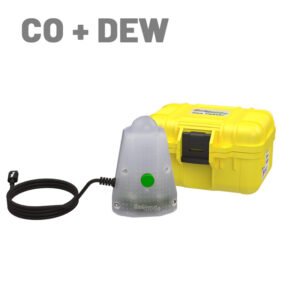
Founded by a diving instructor with more than 35 years of underwater experience, Go-NOGo was created to close a critical verification gap in the industry. After witnessing firsthand how easily divers trusted unverified air fills, our founder — also an engineer holding seven international patents — set out to develop a reliable, accessible solution that puts gas quality checking directly into the hands of those who need it most.
Why We Built a Scuba Gas Tester
The diving industry has long relied on periodic professional air analysis. While laboratory testing is important, it doesn’t provide immediate confirmation at the point of use. A compressor can produce clean air one day and contaminated air the next due to overheating, oil breakdown, or exhaust intake issues.
We built this solution after seeing how preventable carbon monoxide exposure incidents continued to occur globally. Many of these incidents were not caused by negligence — they were caused by a lack of accessible, fast verification tools. Dive operators needed something simple. Instructors needed something portable. Divers needed reassurance.
Our goal was not to replace laboratory analysis but to bridge the verification gap between formal inspections. The result is a compact, easy-to-use device that delivers a clear go/no-go indication, empowering users to make informed decisions before every dive.
Learn more about our purpose and long-term vision on


Our Scuba Gas Tester Technology
The Go-NOGo system is engineered for simplicity and reliability. It detects the presence of carbon monoxide in compressed breathing gas and provides a straightforward visual result. No complicated calibration procedures. No technical interpretation required. Just a fast, clear gas quality check.
The device is designed to integrate easily into existing dive shop and compressor workflows. Lightweight and portable, it can be used on-site at fill stations, on liveaboards, or during training operations. This practical approach supports routine gas verification without slowing down operations.
Importantly, it complements — not replaces — professional air analysis programmes. Industry best practice combines regular laboratory testing with frequent on-site checks. By adding a fast indicative verification step, dive operators strengthen alignment with standards such as EN 12021 and reinforce the gas quality awareness promoted by global organisations like DAN.
We also provide educational resources to help divers understand carbon monoxide risks, compressor maintenance, and air quality best practices. You can explore our detailed CO AWARENESS GUIDE for more information.
A Practical Step Toward Safer Diving
Carbon monoxide contamination is rare — but when it occurs, the consequences can be severe. Because CO is invisible and undetectable by human senses, relying on smell or taste is not an option. Verification must be intentional.
By making gas quality checking accessible, affordable, and simple, we aim to normalise routine pre-dive checks across the diving community. Whether you are running a dive centre, maintaining a compressor, or preparing for a personal dive trip, proactive gas checking provides confidence and peace of mind.
Diving should be about exploration, confidence, and adventure — not uncertainty about the gas in your cylinder. With the right tools and awareness, divers can make better-informed decisions before every descent.
To discover how Go-NOGo fits into your pre-dive routine, visit the SHOP or learn more about the values driving our innovation on OUR MISSION page.